Your dog’s health and well-being depend on the freshness and nutrition of their food. Good food storage helps to keep its quality and protects against possible health risks caused by spoiled or contaminated food. The right storage techniques are important, whether you feed your dog wet food or dry kibble.
Understanding the Importance of Proper Dog Food Storage
The Significance of Freshness and Nutrition
Keeping dog food fresh and nutritious is important. Exposure to heat, air, and humidity may compromise the quality of the food, resulting in nutrient loss and potential health problems for your dog. Proper storage ensures that your dog receives the desired nutritional benefits from their diet.
Best Methods for Storing Dry Dog Food
Save It in the Original Packaging
Dog food bags are made to preserve freshness. Storing the food in its original packaging protects it from external factors and preserves essential details like batch numbers and expiry dates.
Use airtight containers
Putting the original bag into an airtight container helps defend against moisture and pests. Use only a clean, dry container.
Store in a chilly, dry place
Dog food may spoil due to heat and moisture. Store the food away from heat sources and direct sunlight in a cool, dry location.
Correct Storage of Wet Dog Food
Cool in the refrigerator
Wet dog food should be refrigerated and covered once it’s opened. To avoid spoilage, use it within 35 days.
Utilize the Right Container
Before refrigerating, move the unused portion into a clear, airtight container. This habit keeps food fresh and avoids pollution.
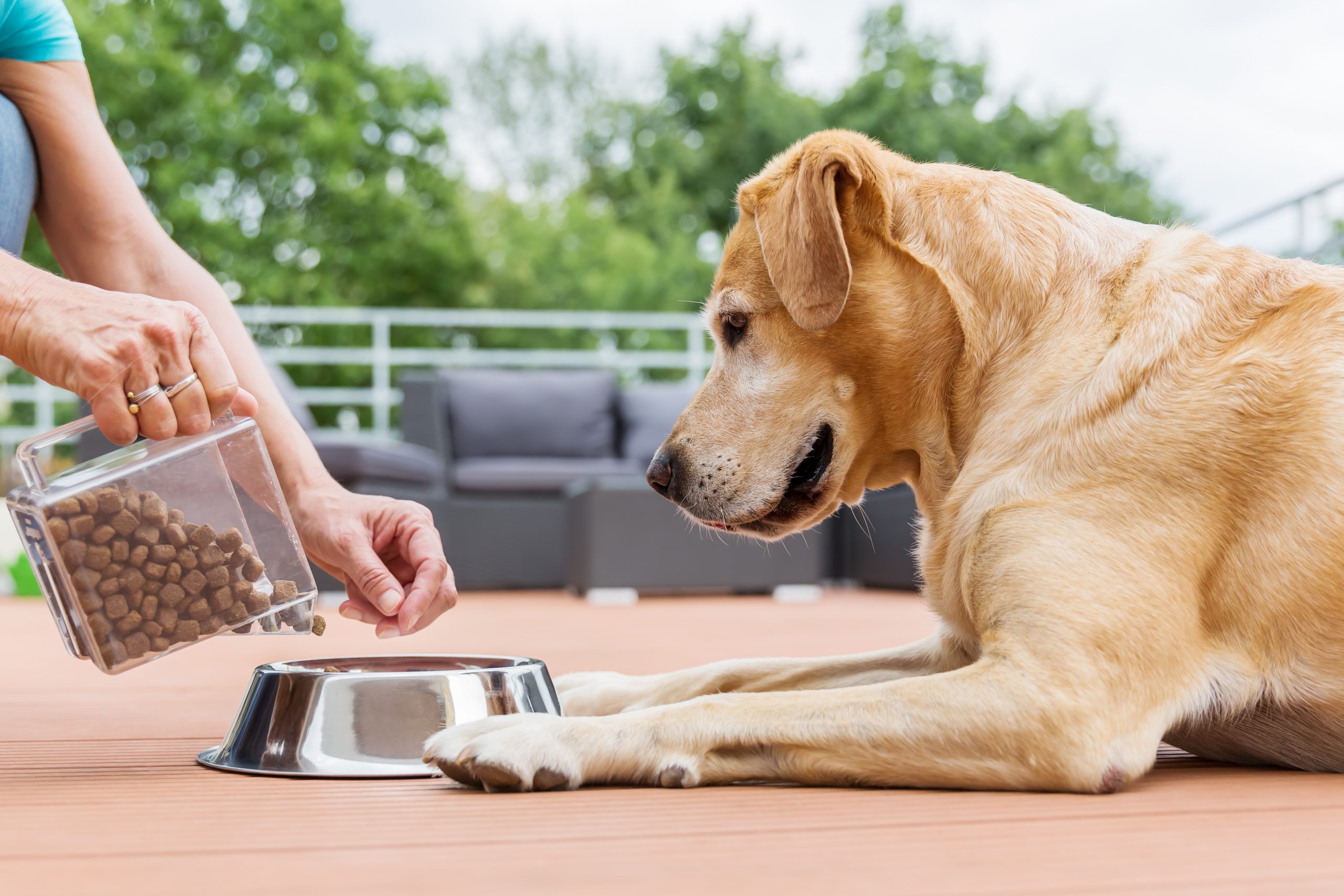
Ensuring and Preserving the Quality of Dog Food
Examine the expiration dates
Before feeding your dog, always check the expiration date. Using expired food may present health issues.
Priorities Older Food to Maintain Quality
Use the first-in, first-out technique to eat older food first. This habit helps keep the food supply fresh.
Measures for safety and hygiene
Clean storage containers
Leftover from earlier batches can contaminate fresh food. To stop bacterial development, carefully clean containers after every restoration.
Keep Dog Food Safe with Proper Scooping Tools
To prevent contamination from external sources, use separate scoops for dog food. Refrain from scooping food with your bare hands.
Thinking about Dog Food Alternatives in Pakistan
Analyzing Dog Food Costs
Dog food prices in Pakistan depend on brand, quality, and nutritional value. One must balance the nutritional demands of your dog with cost.
Selecting the Best High-Protein Dog Food
The best high protein dog food promotes general health and muscle development. Selecting the best high-protein dog food requires checking the ingredients and nutrition facts carefully.
Conclusion
Dog food must be preserved in order to preserve its nutrition and flavor. Following best methods, such as using airtight containers, keeping food in cool, dry conditions, and upholding cleanliness, guarantees your dog gets all the advantages of their diet.
Use these storage techniques to improve your dog’s health and happiness.
Frequently Asked Questions (FAQs)
Q1: To maintain freshness, can I store dog food in the fridge?
A1: Storing dry dog food in the refrigerator might introduce moisture, hence spoiling it. Opened wet dog food should be kept in the fridge and used within 3 to 5 days.
Q2: Can old and fresh dog food batches be safely combined?
A2: Mixing fresh and old batches directly is not advised. Use the old batch before introducing a fresh one to avoid contamination and guarantee freshness.
Q3: How can I tell if my dog’s food has gone bad?
A3: Signs of spoiled dog food include changes in color, a bad smell, or visible mold.
Q4: What is the shelf life of dry dog food after opening?
A4: It should be kept in an airtight container in a cold, dry place. Dry dog food usually stays fresh for around 6 weeks once opened.
Q5: What particular storage containers are advised for dog food?
A5: Yes, containers with airtight seals made of BPA-free plastic, stainless steel, or glass are recommended to keep dog food fresh and prevent contamination.